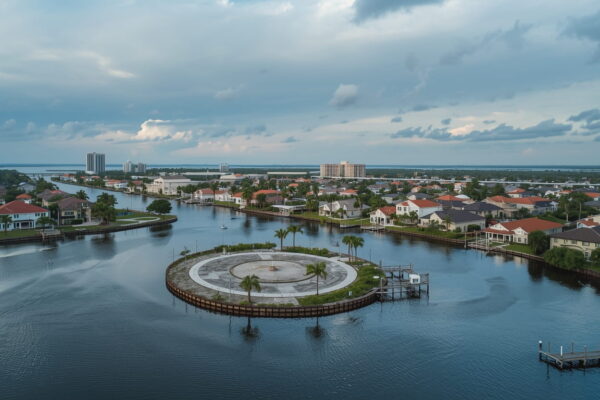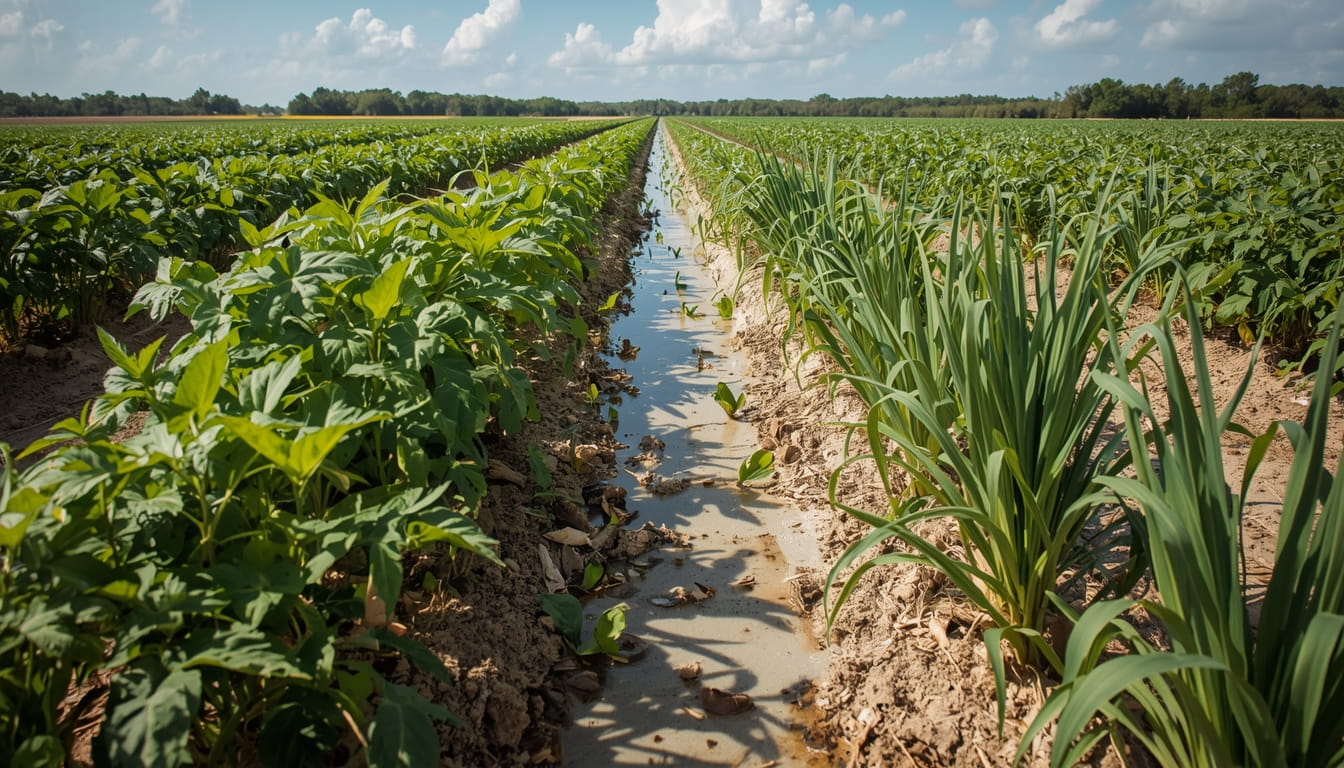
Farmers in Southwest Florida are undergoing a significant change as rising sea levels force saltwater farther into coastal fields, endangering conventional crops and compelling them to adopt salt-resistant varieties to remain in business.
Already, the gradual encroachment of brackish water has cut yields on thousands of acres, and many are asking themselves how much longer they can continue to farm the same land that their family has worked since time immemorial.
Producers are now planting new salt-tolerant tomatoes, peppers, cucumbers, and even special strains of rice that grow where older crops can no longer grow.
These are tough plants that can tolerate increased salinity but require less fresh water to do so, providing farmers with an effective means of adapting to evolving conditions. According to agricultural experts, the switch is occurring more rapidly than projected, and those who have taken the lead cite higher yields and lower irrigation costs.
With the sea levels projected to keep rising, there is a swift shift towards resilient crops in the region. According to local farms, the change will not only safeguard their livelihoods, but also assist in ensuring that there is the consistent supply of fresh produce to Southwest Florida markets.
The growers have begun their planting season, and as more growers join the trend, a serious climatic problem is being transformed into a new way of surviving in the long term.